
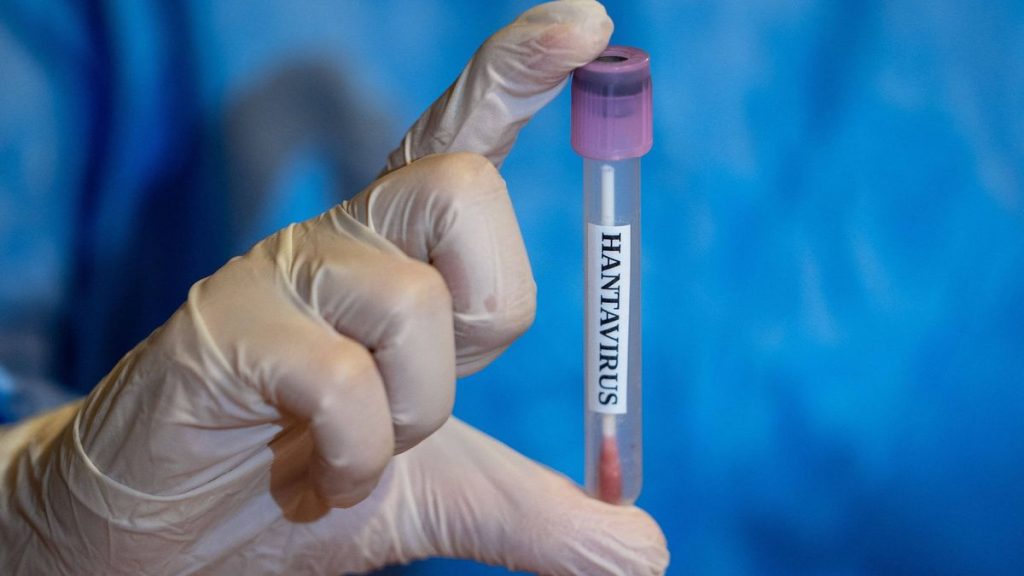
A South American nation has declared a nationwide health alert that could remain into effect until July 2027 after the fatality rate for the deadly hantavirus has risen

Chile has been forced into action after the hantavirus fatality rate has risen (stock)(Image: Getty)
The deadly hantavirus has prompted the South American nation of Chile to declare a nationwide health alert that is expected to last until 2027.
The Chilean Ministry of Health has reportedly become increasingly worried about the virus, which made global news following an outbreak on a cruise ship earlier this year.
According to official statistics, the fatality rate of hantavirus in the country has risen compared to previous years. The data showed 46 cases of infection and 18 deaths so far this year as of last week, which shows a rise from an 18% fatality rate to 39% in just a year.

Hantavirus made global news after an outbreak on cruise ship MV Hondius in May (file)(Image: ANP/AFP via Getty Images)
Cases of the virus have so far been documented in the regions of Valparaíso, Metropolitana, O’Higgins, Maule, Ñuble, Biobío, La Araucanía, Los Ríos, Los Lagos and Aysén.
Contracting hantavirus is mainly caused by breathing in airborne particles released in dried rodent droppings, which enter your cells, especially the lungs. While rare, the virus can also be transmitted by rodent scratches and bites.
According to Spanish-Language media outlet InfoBae, it is the first time in its history that Chilean’s Ministry of Health has declared such a health alert in 13 of the 16 regions.
The alert is from Atacama to Magallanes and is expected to remain in in effect until July 31, 2027.
Speaking about the decsion, the Undersecretary of Public Health Dr Alejandra Pizarro said: “The hantavirus causes a disease that is endemic to Chile, transmitted by the long-tailed pygmy rice rat that lives in rural and semi-rural areas throughout almost the entire country.

Chile has placed the alert on 13 out of 16 regions in the country (stock)(Image: Getty)
“As a ministry, we are constantly monitoring its behaviour and are very concerned and focused because this year the virus’s lethality has increased , and due to this, we have decided to declare this alert.”
Dr Pizzaro added: “Hantavirus is not exclusively a summer virus, as the long-tailed pygmy rice rat is present year-round . That’s why we urge everyone to take extreme precautions: avoid touching rodents, ventilate homes before entering if they have been closed, clean unused spaces with water and bleach, and keep garbage covered and food stored.”
Hantavirus made headlines across the world back in May this year after an outbreak on the cruise ship MV Hondius that led to at least 11 reported cases among passengers, including three deaths.
At the time, WHO said they were not expecting the outbreak to be an epidemic, according to Dr Abdirahman Mahamud, director at the alert and response co-ordination department. He highlighted a similar outbreak in Argentina in 2018/19 which led to 34 cases.
For the latest breaking news and stories from across the globe from the Daily Star, sign up for our newsletters.
